Jesus in Islam, Christmas and Living Faith through Dialogue
One of the questions we are asked most often is a simple one: What does Islam say about Jesus?
It is rarely asked with hostility. More often, it comes from curiosity from not knowing, rather than from disagreement. This, in itself, reveals something important. Many of the tensions between faith communities today are shaped less by opposing beliefs than by distance and unfamiliarity.
As Muslims living alongside Christians, we have seen how easily misunderstanding grows when people stop speaking to one another. It begins to ease when knowledge is shared — not through debate, but through sincere conversation rooted in sacred texts and lived experience.In this sense, Jesus is a natural place to begin.
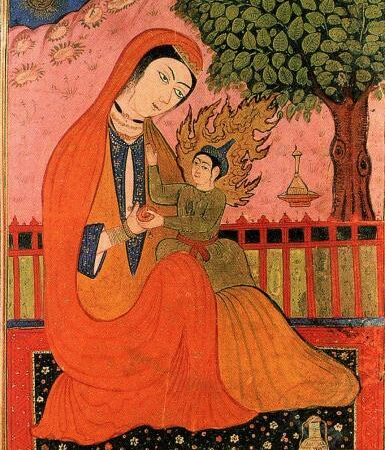
In Islam, Jesus (Isa, peace be upon him) holds a central and deeply honoured place. He is recognised as one of the greatest Messengers of God, and belief in him is an essential part of Muslim faith. He is not a marginal or secondary figure. His story is taught, remembered, and spoken of with reverence.
The Qur’an affirms his miraculous birth: “She said, ‘How can I have a son when no man has touched me?’ He said, ‘So it will be; God creates what He wills.’” (Qur’an 3:47)
His mother, Mary (Maryam, peace be upon her), is also honoured in a unique way. An entire chapter of the Qur’an bears her name, and she is described as one whom God has chosen and purified.
Jesus is consistently described as a messenger of God, marked by mercy and supported by divine permission. These descriptions shape how Muslims understand him and how they speak about him — with respect, not rivalry.
Islam and Christianity do differ in their theological understanding of who Jesus is. Acknowledging this difference does not weaken faith; it strengthens honesty. Respect does not require blending beliefs, but approaching one another with clarity and integrity.
This understanding also shapes how Muslims approach Christmas. Within the Dialogue Society, Christmas is not marked as a religious celebration, but as a moment of encounter. Through shared meals and gatherings, people from different backgrounds come together to listen, to reflect, and to share what this season means to them. For Muslims, participation in these spaces is an expression of neighbourliness and respect rather than theology.
Trust is rarely built through argument. More often, it grows quietly around tables, through hospitality, and through the willingness to be present with one another.
The same spirit informs practices such as Scriptural Reasoning, where people of different faiths sit together with their sacred texts. The aim is not persuasion, but understanding. Differences remain, but they no longer feel threatening.
On a personal level, Christmas is often a quiet time. While it is not observed religiously, it may be spent with family, in reflection, or visiting friends. For children, it becomes an opportunity to ask simple but important questions — not about doctrine, but about how others live their faith. These small conversations are often where respect is first learned.
Meaningful understanding between Muslims and Christians does not come from avoiding difference, nor from pretending it does not matter. It grows when people are willing to learn how the other understands what is sacred, and when they continue to meet one another with openness and good faith.
In a world where division is loud, quiet, thoughtful dialogue remains one of the most enduring paths to understanding.
A.A
DIALOGUE SOCIETY